MISHPOCHA - THE ART OF COLLABORATION
Please scroll down for English version…

MISHPOCHA – THE ART OF COLLABORATION
JÜDISCHES MUSEUM FRANKFURT
17.04.2026 – 27.09.2026
Ausstellung, Musik und Happenings im und rund um das Jüdische Museum Frankfurt im Rahmen von World Design Capital 2026
Was bedeutet Familie: Eine Gruppe von Menschen, die miteinander verwandt sind? Ein Freundeskreis, in dem alle dasselbe Lebensgefühl teilen? Die Gemeinschaft, die in der kreativen Zusammenarbeit entsteht?
Der Musiker Mike D hat auf diese Fragen eine Antwort. Sie hängt mit der Geschichte seiner Band, den Beastie Boys, zusammen: „Wir konnten all dies nur dank der großartigen Menschen erreichen, denen wir begegnet sind und mit denen wir zusammengearbeitet haben.“ Mit ihrem Crossover aus Jazz, Punk und Hip Hop sowie Musik, Mode und Kunst wurden die drei jüdischen Jungs aus New York zu internationalen Stars. Aus Gesprächen mit Mike D über Familie, Herkunft, Gemeinschaft und künstlerische Zusammenarbeit haben Atelier Markgraph, die IMA Clique und das Jüdische Museum das interdisziplinäre Projekt MISHPOCHA entwickelt – ein Plädoyer für die Kraft des kreativen Miteinanders. Es findet im Rahmen des World Design Capital -Jahres in Frankfurt und der Rhein Main-Region statt, die unter dem Motto „Design for Democracy: Atmospheres for a Better Life“ steht.
MISHPOCHA. THE ART OF COLLABORATION deutet den jiddischen Begriff „Mischpoche“ neu – als Sinnbild für künstlerische Netzwerke und für Zusammenhalt jenseits biologischer Familienstrukturen. Das interdisziplinäre Projekt bringt zeitgenössische Künstler:innen, Musiker:innen und Creative Industries zusammen, um kollaborative Schaffensprozesse und Gemeinsinn zu stärken.
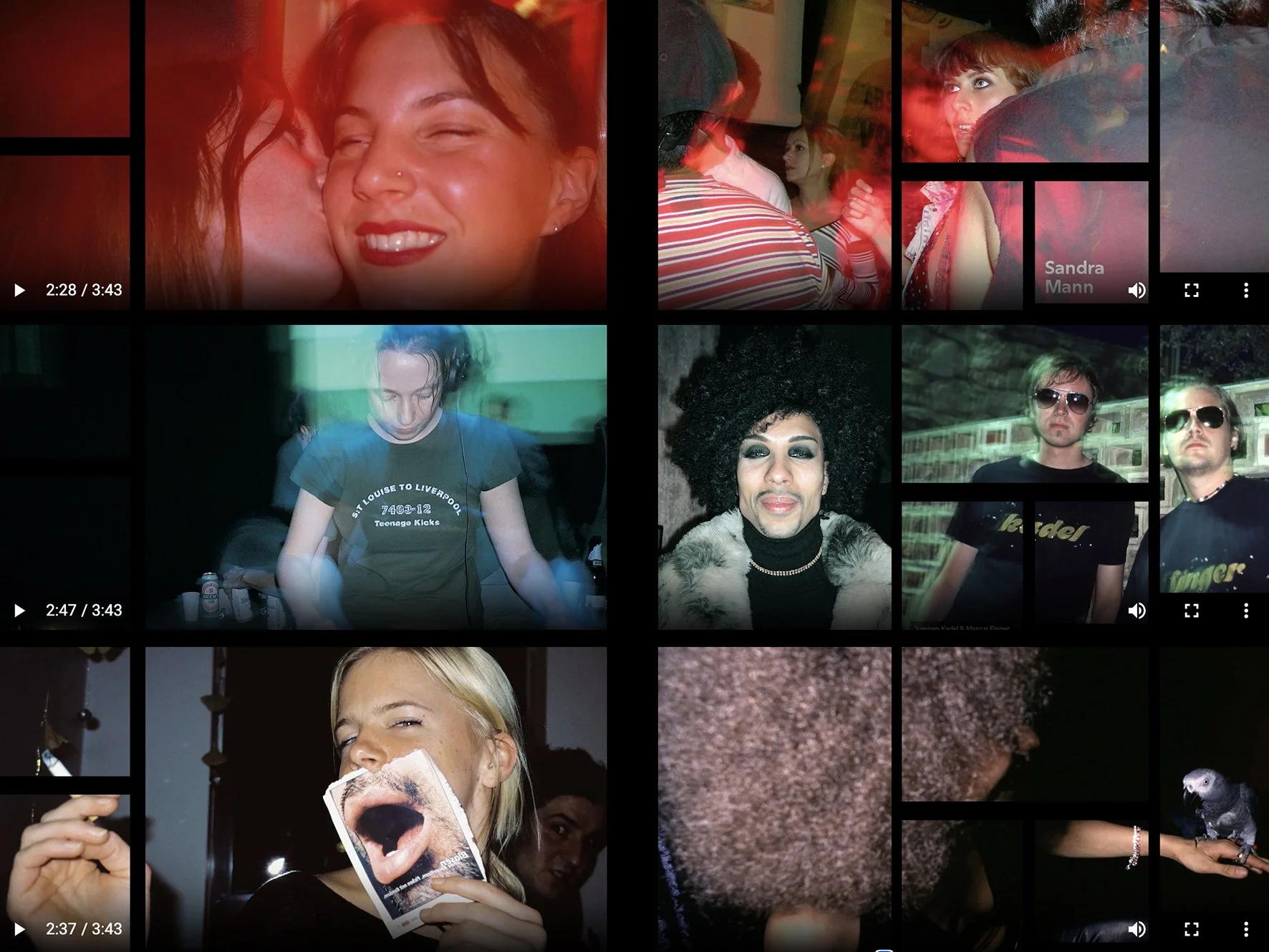
Videostills aus der Nightlife Serie, copyright Sandra Mann
Den Kern des Projekts bildet eine Ausstellung mit zeitgenössischen Kunstwerken und Installationen – bunt, popkulturell und interaktiv. Zu sehen sind Arbeiten von Alica Khaet, Beatrice Moumdjian, Daniel Herrmann, Deborah Kass, Geoff McFetridge, Hetain Patel, Ira Eduardovna, Jan Zappner, Jennifer Finch, Jessica Ostrowicz, Mika, Nirit Takele, Sandra Mann, Shimon Wanda und Tammy Ray Carland sowie eine Weiterentwicklung des Projekts „Mischpoche“ von Jan Zappner.
Ergänzt wird sie durch ein vielfältiges MISHPOCHA-Programm mit Open Stages, Workshops und Satellitenausstellungen. Das Projekt erstreckt sich bis Herbst 2026 über Frankfurt und die Rhein-Main-Region und wird von einem gleichnamigen Magazin begleitet.
MISHPOCHA
Die Ausstellung eröffnet mit einer eigens entwickelten Soundinstallation, die die vielfältigen Bedeutungen und Assoziationen des Wortes „Mischpoche“ (jiddisch für Familie) erfahrbar macht. Zu hören sind verschiedene Stimmen, die in verschiedenen Sprachen auf die Fragen antworten: Was bedeutet Mischpoche? Welchen Stellenwert hat Familie in eurem Leben? Welche Erfahrungen und Vorstellungen verbindet ihr mit dem Wort?
ROOTS
Der zweite Raum präsentiert Zeichnungen, Malerei, Konzeptkunst, Fotografien und Videoarbeiten, die sich mit Familiengeschichten beschäftigen. Die zeitgenössischen Kunstwerke kreisen um Erinnerungen an Migration und Flucht, um Fremdheit, neue Sprachen und die Suche nach einem Ort, der ein Zuhause sein kann. Auch Verlusterfahrungen – etwa von Mutter oder Großmutter – sowie Erinnerungs- und Erbstücke spielen in den Werken eine zentrale Rolle. Sie berühren universelle Fragen von Herkunft, Zugehörigkeit und Erinnerung. Zu sehen sind Arbeiten von Alica Khaet, Beatrice Moumdjian, Geoff McFetridge, Hetain Patel, Ira Eduardovna, Jan Zappner, Jessica Ostrowicz, Nirit Takele, Shimon Wanda und Tammy Ray Carland.
MIX
Der größte Raum der Ausstellung ist eine Explosion der Sinne. Er besteht aus einer interaktiven Multimedia-Installation, die in das Lebensgefühl verschiedener musikalischen Subkulturen eintaucht. Großflächige Projektionen und eindringlicher Sound machen Punk, die Riot Grrrls-Bewegung, Techno und Hip-Hop erfahrbar – Szenen, die für die Beastie Boys prägend waren. Im Mittelpunkt des Raumes befindet sich ein großes Mischpult, das dazu einlädt, den Sound, die Farbe und das Licht der immersiven 360-Grad-Installation mitzugestalten.
PLAY
Der letzte Raum lädt zum gemeinsamen Musikmachen ein. In konzentrierter Studio-Atmosphäre sind mehrere Mischpulte zu finden. Sie fordern die Besuchenden dazu auf, Sounds und Beats zu neuen Samples zusammen zu stellen, zum MC zu werden und die Musik zu genießen. Das gemeinsamen Musikmachen am Ende des Ausstellungsrundgangs ermöglicht eine kreative Gemeinschaftserfahung – das Entstehen einer neuen Mischpoche.
Die Schau dehnt sich in den öffentlichen Raum aus. Bereits auf dem Vorplatz des Museums ist die OY/YO-Skulptur von Deborah Kass zu sehen. Im Stadtraum sind Konzerte und Happenings geplant. Zwei Satellitenausstellungen an anderen Orten dehnen den Kosmos von MISHPOCHA ins im Rhein Main-Gebiet aus. Im Kunshaus Wiesbaden werden in der Ausstellung “Memory in Action” Arbeiten des argentinischen Künstlers und Fotografen Marcelo Brodsky gezeigt. Die Opelvillen Rüsselsheim präsentieren die Ausstellung „Unter die Haut. Tattoos im Blick“. Dort sind unter anderem Werke von Jan Zappner und Sandra Mann zu sehen, deren Arbeit ebenfalls Teil von MISHPOCHA sind.
Dank
Das Projekt „MISHPOCHA: The Art of Collaboration“ steht unter der Schirmherrschaft des Hessischen Ministerpräsidenten Boris Rhein. Wir bedanken uns beim Kulturfonds Frankfurt RheinMain, bei World Design Capital, der Commerzbank-Stiftung, der Georg und Franziska Speyer’schen Hochschulstiftung, der Ernst Max von Grunelius-Stiftung, bei dem Bankhaus Metzler, bei der Dr. Hans Feith und Dr. Elisabeth Feith-Stiftung, bei der Fazit-Stiftung sowie bei der Gesellschaft der Freunde und Förderer des Jüdischen Museums.
Jüdisches Museum Frankfurt, Bertha-Pappenheim-Platz 1, 60311 Frankfurt am Main, Germany
English Version
MISHPOCHA – THE ART OF COLLABORATION
JÜDISCHES MUSEUM FRANKFURT
04/17/2026 –09/27/2026
Exhibitions, music, and events at and around the Jewish Museum Frankfurt as part of World Design Capital 2026
What does “family” mean: a group of people who are related to one another? A circle of friends who all share the same outlook on life? The community that emerges from creative collaboration?
Musician Mike D has an answer to these questions. It’s tied to the history of his band, the Beastie Boys: “We were only able to achieve all of this thanks to the amazing people we’ve met and worked with.” With their crossover of jazz, punk, and hip hop, as well as music, fashion, and art, the three Jewish guys from New York became international stars. Based on conversations with Mike D about family, heritage, community, and artistic collaboration, Atelier Markgraph, the IMA Clique, and the Jewish Museum developed the interdisciplinary project MISHPOCHA—a plea for the power of creative collaboration. It takes place as part of the World Design Capital year in Frankfurt and the Rhine-Main region, which is themed “Design for Democracy: Atmospheres for a Better Life.”
MISHPOCHA. THE ART OF COLLABORATION reinterprets the Yiddish term “Mischpoche” as a symbol of artistic networks and solidarity that transcends biological family structures. This interdisciplinary project brings together contemporary artists, musicians, and professionals from the creative industries to foster collaborative creative processes and a sense of community.
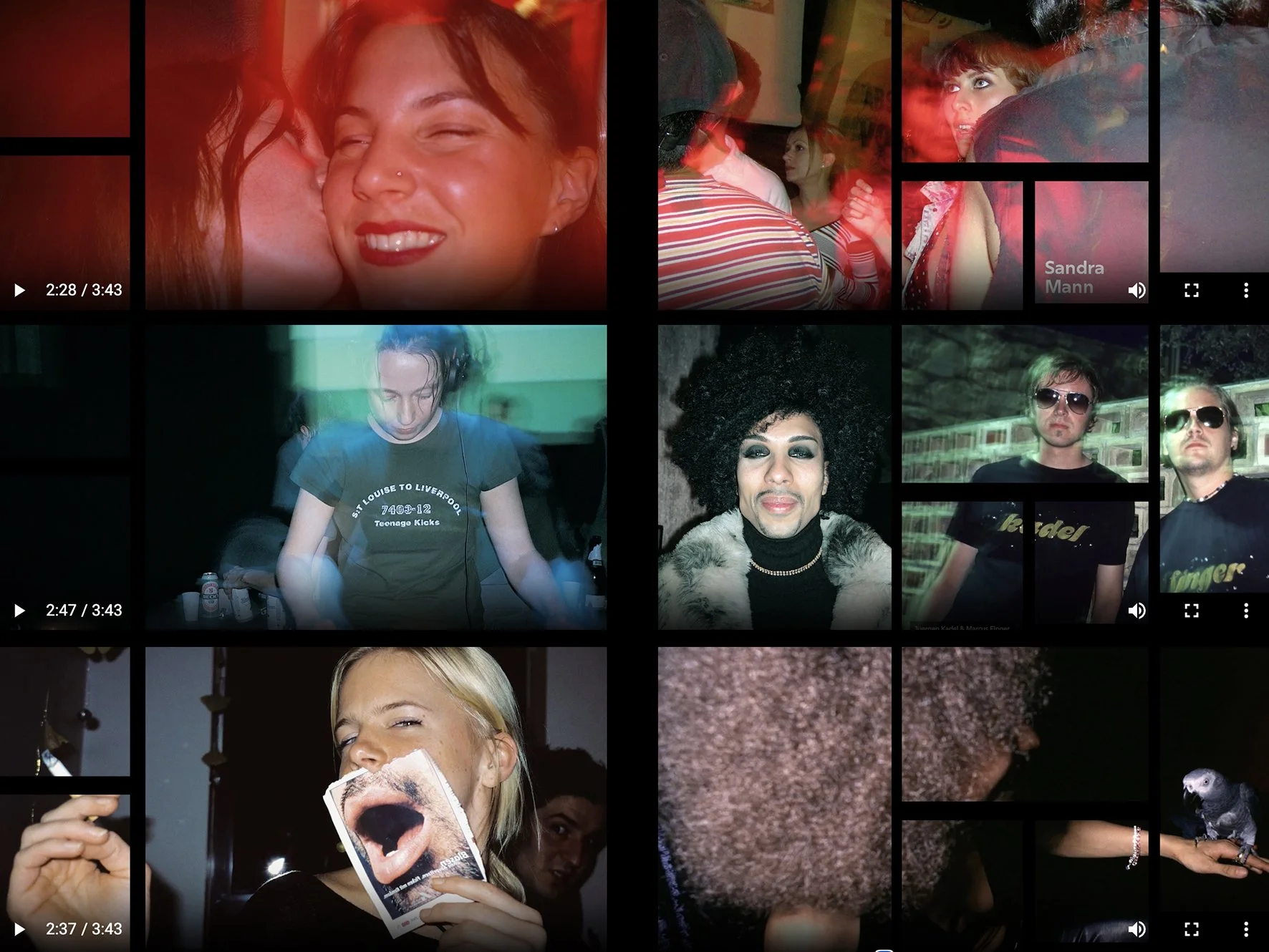
Videostills from the Nightlife series, copyright Sandra Mann
At the heart of the project is an exhibition of contemporary artworks and installations—colorful, pop-culture-inspired, and interactive. On display are works by Alica Khaet, Beatrice Moumdjian, Daniel Herrmann, Deborah Kass, Geoff McFetridge, Hetain Patel, Ira Eduardovna, Jan Zappner, Jennifer Finch, Jessica Ostrowicz, Mika, Nirit Takele, Sandra Mann, Shimon Wanda, and Tammy Ray Carland, as well as a further development of Jan Zappner’s “Mischpoche” project.
It is complemented by a diverse MISHPOCHA program featuring open stages, workshops, and satellite exhibitions. The project will run through fall 2026 across Frankfurt and the Rhine-Main region and is accompanied by a magazine of the same name.
MISHPOCHA
The exhibition opens with a specially created sound installation that brings to life the diverse meanings and associations of the word “Mischpoche” (Yiddish for family). Visitors can hear various voices answering questions in different languages: What does “Mischpoche” mean? How important is family in your life? What experiences and ideas do you associate with the word?
ROOTS
The second room presents drawings, paintings, conceptual art, photographs, and video works that explore family histories. These contemporary artworks revolve around memories of migration and flight, around foreignness, new languages, and the search for a place that can be a home. Experiences of loss—such as the loss of a mother or grandmother—as well as mementos and heirlooms also play a central role in the works. They address universal questions of origin, belonging, and memory. On view are works by Alica Khaet, Beatrice Moumdjian, Geoff McFetridge, Hetain Patel, Ira Eduardovna, Jan Zappner, Jessica Ostrowicz, Nirit Takele, Shimon Wanda, and Tammy Ray Carland.
MIX
The largest room in the exhibition is an explosion for the senses. It features an interactive multimedia installation that immerses visitors in the spirit of various musical subcultures. Large-scale projections and powerful sound bring punk, the Riot Grrrls movement, techno, and hip-hop to life—scenes that had a formative influence on the Beastie Boys. At the center of the room is a large mixing console that invites visitors to help shape the sound, color, and lighting of the immersive 360-degree installation.
PLAY
The final room invites visitors to make music together. In a focused studio atmosphere, several mixing consoles are set up. They encourage visitors to combine sounds and beats into new samples, take on the role of an MC, and enjoy the music. Making music together at the end of the exhibition tour fosters a creative communal experience—the emergence of a new generation of mixers.
The exhibition extends into public spaces. Deborah Kass’s OY/YO sculpture is already on display in the museum’s forecourt. Concerts and events are planned throughout the city. Two satellite exhibitions at other venues expand the scope of MISHPOCHA across the Rhine-Main region. The Kunshaus Wiesbaden is hosting the exhibition “Memory in Action,” featuring works by Argentine artist and photographer Marcelo Brodsky. The Opelvillen Rüsselsheim is presenting the exhibition “Under the Skin: Tattoos in Focus.” On display there are works by Jan Zappner and Sandra Mann, among others, whose work is also part of MISHPOCHA.
Acknowledgments
The project “MISHPOCHA: The Art of Collaboration” is held under the patronage of Boris Rhein, Minister-President of Hesse. We would like to thank the Kulturfonds Frankfurt RheinMain, World Design Capital, the Commerzbank Foundation, the Georg and Franziska Speyer University Foundation, the Ernst Max von Grunelius Foundation, Bankhaus Metzler, the Dr. Hans Feith and Dr. Elisabeth Feith Foundation, the Fazit Foundation, and the Society of Friends and Supporters of the Jewish Museum.
Jewish Museum Frankfurt, Bertha-Pappenheim-Platz 1, 60311 Frankfurt am Main, Germany