IMPRINTS OF THE CENTURY - KOC GROUP AND THE ARTS
Please scroll down for German and Turkish versions!
Sandra Mann´s work titled Sandra with beard, 2000, is on view at Yapı Kredi Kültür Sanat as part of the collection exhibition titled Imprints on the Century, celebrating the centennial of the Koç Group. Curated by Didem Yazıcı and the associate curator Zehra Begüm Kışla, Imprints on the Century unfolds through a narrative of artworks and archival materials, focusing on the group’s institutional collections. Including photographs and documents, as well as a selection of artworks and artifacts from these collections, the exhibition sheds light on the distinct approaches of each institution.
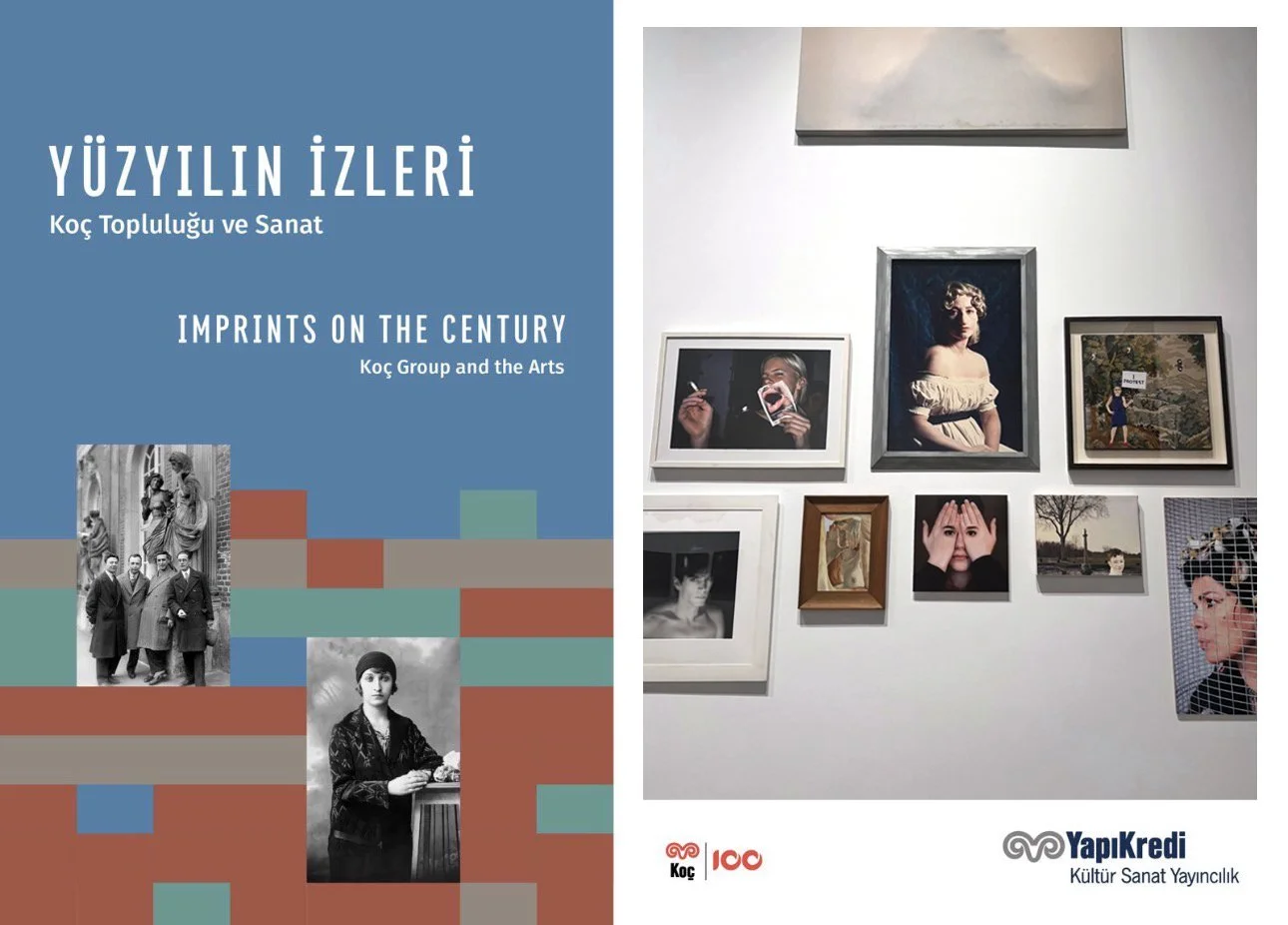
Founded three years after the proclamation of the Republic of Turkey, the Koç Group is now celebrating its centennial!
As Yapı Kredi Culture Arts and Publishing, we have decided to chronicle this centennial story based on the Koç Group’s contributions to Turkey’s cultural and artistic life. In 1926, Ahmet Vehbi, still in his twenties, registered the businesses he had inherited from his father with the Ankara Chamber of Commerce. The successful journey thus set in motion in Ankara would encompass major industrial and commercial ventures, as well as lasting cultural and artistic institutions that contribute to the preservation of Turkey’s cultural heritage. Imprints on the Century weaves a multidimensional, colorful historical narrative of the Koç Group and this heritage in the context of the social, cultural, and artistic developments of the past century. For this reason, we chose to conceive the exhibition as a timeline, stretching from the 1920s to the present day. Revolving around the Koç Group’s accomplishments in the field of culture and the arts, the timeline seeks to depict as broad a picture as possible while highlighting a selection of developments that have left a deep imprint on Turkey’s cultural and social history. Showcasing such a rich legacy, the exhibition adopts an impression-based and eclectic curatorial approach, striving—within the limits of space and time—to reflect the endeavors of the cultural institutions affiliated with the group.
Imprints on the Century unfolds through a narrative of artworks and archival materials, focusing on the group’s institutional collections. Including photographs and documents, as well as a selection of artworks and artifacts from these collections, the exhibition sheds light on the distinct approaches of each institution. Spanning a vast array of fields—such as architecture and design, archaeology and contemporary art, ethnographic artifacts and industrial design, restoration projects and collections—it offers a unique opportunity to gain a comprehensive understanding of the group’s relationship with art. Emphasizing the preservation of cultural memory and art, the importance of critical thinking, and the production of new artworks, it presents multiple initiatives from both the public and private sectors. The exhibition’s atmosphere derives from the warm and engaging environment created by the chronological unfolding of details, experiences, and stories found within the archival collections. With the exhibition Imprints on the Century, Yapı Kredi Culture Arts and Publishing celebrates the Koç Group’s 100th anniversary by shedding light on its sincere and steadfast support for culture and the arts.
One of the starting points of the exhibition stemmed from Sadberk Koç’s (1908–1973) longstanding dedication to collecting historical objects from antique shops, her subsequent interest in establishing a museum, and her passion for preserving cultural heritage. The museum was eventually founded in 1980 and, after Sadberk Hanım’s passing, was further developed, thanks to the unabated efforts of her daughter, Sevgi Gönül, not only to honor her wishes but also to keep her memory alive and share this precious collection with the public. Another significant source of inspiration for the exhibition was the following words from Ömer Koç, demonstrating his acute awareness of the reflective space enabled by art: Collecting is something that used to be referred to in the old language as ‘devâ nâ-pezir’—in other words, a disease for which there is neither cure nor remission. Once you catch it, it cannot be remedied. In fact, aside from his dedication as a collector, the reflective and emotional depth achieved by the exhibitions conceived around the Ömer Koç Collection reveals his remarkable impulse to share. Each exhibition of these priceless and fascinating collections, assembled according to personal interests, triggers different areas of interpretation and comparison, and produces new implications. Yet another point of departure for Imprints on the Century was Rahmi M. Koç’s statement from the introductory text marking the establishment of the Rahmi M. Koç Museum, the most wide-ranging private industrial museum in Turkey: I remember having collected and accumulated mechanical and industrial objects ever since the day—I don’t recall how old I was at the time—when my father, Vehbi Koç, brought me my very first electric train from Germany. Over the years, that collection grew to such an extent that neither the room in my homes, offices, or warehouses sufficed to accommodate it any longer. The sincerity in those lines from Rahmi M. Koç’s remarks echoes the humble and modest approach resulting in the museum’s down-to-earth and welcoming environment.
Mirroring the evolution of the Koç Group from a family business into a solidly rooted corporate structure, the growing public role of these collections also constituted a step toward institutionalization. By complementing this narrative with illustrative examples of social and cultural life in Turkey, the exhibition stresses, once more, the role assumed by private ventures in the institutionalization of art. A celebratory exhibition consisting of four sections, Imprints on the Century focuses on the contribution of private ventures—shaped independently of official cultural policies—to art history. It underscores the shared mission of cultural and artistic institutions affiliated with the Koç Group to preserve universal heritage and memory, share it with the public, and pass it on to future generations. Beyond their mission of preservation, these institutions and collections—encompassing numerous objects and works from diverse historical periods—generate new meanings through the relationships established between the works. Such an approach enables us not only to better understand the past, but also to strengthen our connection to the present and envision the future.
The catalogue accompanying the exhibition comprises three articles addressing the topics detailed in the exhibition from various perspectives. Zeynep Çelik, a historian of architecture, urban and visual culture, reflects on Doğan Kardeş magazine and its publications through the lens of her personal history. Buket Coşkuner, a researcher and art historian, focuses on the culture and arts research centers affiliated with the Koç Group. Müjde Dila Gümüş, a scholar and art historian, examines the role assumed by the Koç family in art, museology, and collecting in Turkey.
Creating an exhibition is always a tremendous collective effort. I would therefore like to thank all the institutions’ managers and staff members who contributed to making this comprehensive exhibition a reality. I also wish to express my sincere gratitude to curator and arts and culture consultant Bahattin Öztuncay, and to Melih Fereli, retired Founding Director of Arter, for sharing our excitement and offering their insights throughout the preparatory process, to Defne Tulga Kirişçi and Ayhan Kıbıç from the Ömer Koç Collection for their dedicated support, and to Tuğçe Kutlu Serintürk, Corporate Communications Manager of the Vehbi Koç Foundation, for her invaluable support in archival research.
Didem Yazıcı
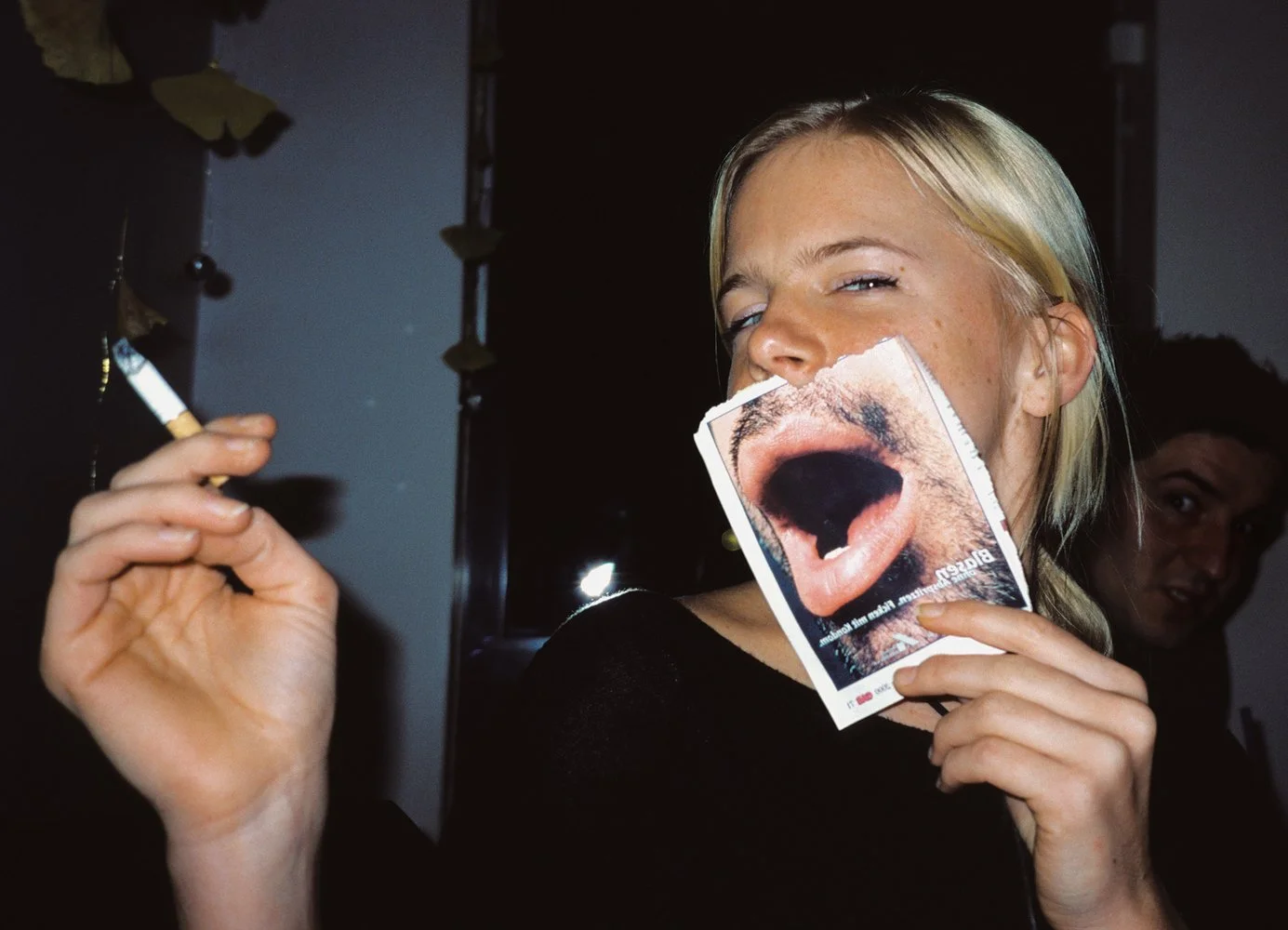
231100-0002 Sandra with Beard (Frankfurt/Main, Germany), 2000
Die Koç-Gruppe, deren Grundstein drei Jahre nach der Ausrufung der Republik gelegt wurde, feiert ihr hundertjähriges Bestehen.
Wir von Yapı Kredi Kültür Sanat Yayıncılık haben uns entschieden, diese hundertjährige Geschichte vor allem über ihren Beitrag zum Kultur- und Kunstleben der Türkei zu erzählen. 1926 ließ der noch in seinen Zwanzigern befindliche Ahmet Vehbi die von seinem Vater übernommenen Handelsgeschäfte bei der Handelskammer in Ankara registrieren. Dieses in den frühen Jahren der Republik in Ankara beginnende, von unternehmerischem Wachstum geprägte Abenteuer umfasst nicht nur bedeutende Industrie- und Handelsunternehmen, sondern auch Kultur- und Kunstinstitutionen, die das kulturelle Gedächtnis der Türkei maßgeblich mitprägen.
Die Ausstellung „Spuren eines Jahrhunderts“ richtet den Blick auf den Einfluss dieser Institutionen auf gesellschaftliche, kulturelle und künstlerische Entwicklungen im Land und entfaltet daraus ein vielschichtiges historisches Panorama. Konzipiert entlang einer Zeitleiste von den 1920er Jahren bis in die Gegenwart, macht sie die kontinuierliche Unterstützung der Koç-Gruppe für Kunst und Kultur als strukturierendes Prinzip sichtbar.
Innerhalb der räumlichen Möglichkeiten des Ausstellungsortes wurde die Präsentation bewusst als eine Art impressionistische kuratorische Erzählung gestaltet: Sie verbindet die Arbeit der zur Gruppe gehörenden Kulturinstitutionen mit einer Auswahl aus deren Sammlungen. Dokumente und Werke aus unterschiedlichen Disziplinen, Epochen und institutionellen Kontexten treten dabei in einen dichten, bewusst eklektischen Dialog.
„Spuren eines Jahrhunderts“ versammelt neben der Zeitleiste Kunstwerke, Objekte, Ephemera, Fotografien und Archivmaterial aus unternehmensbezogenen wie auch privaten Sammlungen der Koç-Gruppe. Die Auswahl zielt darauf ab, die unterschiedlichen kuratorischen und institutionellen Ansätze sichtbar zu machen, die sich über verschiedene Zeiträume und Fachbereiche erstrecken.
Von Architektur und Design über Archäologie und zeitgenössische Kunst bis hin zu ethnografischen Objekten, Industriedesign und Restaurierung eröffnet die Ausstellung einen ganzheitlichen Blick auf das Verhältnis der Unternehmensgruppe zur Kunst. Im Zentrum stehen dabei Fragen der Bewahrung kulturellen Gedächtnisses, der Förderung kritischen Denkens sowie der Schaffung neuer künstlerischer Produktionen – und damit das Zusammenspiel öffentlicher und privater Initiativen in diesem Feld.
Die atmosphärische Dichte der Ausstellung entsteht durch eine warme, zugleich dichte Inszenierung, in der aus Archiven gehobene Details und vergessene Geschichten neue Resonanzräume öffnen. Mit „Spuren eines Jahrhunderts“ feiert Yapı Kredi Kültür Sanat Yayıncılık das hundertjährige Bestehen der Koç-Gruppe und macht deren nachhaltiges Engagement für Kunst und Kultur sichtbar.
Ein zentraler Ausgangspunkt der Ausstellung ist die Sammelleidenschaft von Sadberk Koç (1908–1973), die über Jahre hinweg mit großer Beharrlichkeit Objekte von historischem Wert bei Antiquitätenhändlern zusammengetragen und die Idee eines Museums entwickelt hat. Das 1980 gegründete Museum entstand aus dem Wunsch, ihr Andenken zu bewahren und ihre Sammlung der Öffentlichkeit zugänglich zu machen. Später wurde es maßgeblich durch ihre Tochter Sevgi Gönül weiterentwickelt, die nicht nur moderne museologische und ausstellungstechnische Ansätze einbrachte, sondern auch gezielt Werke aus der anatolischen Zivilisationsgeschichte, der islamischen Kunst und der osmanischen Epoche auf internationalen Auktionen erwarb.
Ein weiterer gedanklicher Bezugspunkt ist Ömer Koç, dessen reflektierte Haltung zum Sammeln und zum Denken im Raum der Kunst die Ausstellung wesentlich inspiriert hat. Seine Worte – „Das Sammeln … ist eine unheilbare Krankheit, für die es kein Heilmittel gibt“ – verweisen auf die Ambivalenz zwischen Leidenschaft, Erkenntnis und Unabschließbarkeit des Sammelns.
Die geistige und emotionale Tiefe der um die Ömer-Koç-Sammlung entstandenen Ausstellungen zeigt nicht nur die Intensität seines sammlerischen Engagements, sondern auch die Offenheit dieser Sammlung für neue Perspektiven und Deutungen. Aus persönlichen Interessen gewachsene Konvolute eröffnen hier immer wieder neue Interpretations- und Begegnungsräume, in denen sich Bedeutungen verschieben und erweitern.
Ein weiterer Ausgangspunkt ist der Gründungstext des Rahmi M. Koç Museums, des umfassendsten privaten Industriemuseums der Türkei. Darin beschreibt der Museumsgründer rückblickend seine frühe Sammelleidenschaft, ausgelöst durch den ersten elektrischen Zug, den ihm sein Vater Vehbi Koç aus Deutschland mitbrachte – eine Sammlung, die bald jede räumliche Grenze sprengte und schließlich in ein öffentliches Museum überführt wurde.
Die Offenheit und Authentizität dieser Erzählung spiegelt sich auch in der zugänglichen, dialogischen Haltung des Museums wider, das bewusst auf Augenhöhe mit seinen Besucher:innen kommuniziert.
So wie sich die Koç-Gruppe von einem Familienunternehmen zu einer komplexen institutionellen Struktur entwickelt hat, so markiert auch die Transformation privater Sammlungen in öffentliche Institutionen einen Prozess der kulturellen Institutionalisierung. Die Ausstellung erweitert diese Geschichte um gesellschaftliche und kulturelle Kontexte der Türkei und zeigt exemplarisch, welche Rolle private Initiativen in der Entwicklung der Kunstinstitutionen spielen.
Als Jubiläumsausstellung rückt „Spuren eines Jahrhunderts“ jene Beiträge in den Fokus, die außerhalb staatlicher Kulturpolitik entstanden sind, und macht zugleich die gemeinsame Mission der mit der Koç-Gruppe verbundenen Kulturinstitutionen sichtbar: das kulturelle Erbe zu bewahren, öffentlich zugänglich zu machen und in die Zukunft zu überführen.
Die präsentierten Sammlungen und Institutionen gehen dabei über reine Bewahrung hinaus. Sie schaffen durch die Beziehungen zwischen den Objekten neue Bedeutungsräume und ermöglichen so ein vertieftes Verständnis der Vergangenheit, eine intensivere Verbindung zur Gegenwart und eine reflektiertere Perspektive auf die Zukunft.
Der begleitende Katalog wird durch Beiträge dreier Autorinnen ergänzt: Die Architektur-, Stadt- und Bildkulturhistorikerin Zeynep Çelik nähert sich der Zeitschrift „Doğan Kardeş“ aus einer biografisch-historischen Perspektive; die Kunsthistorikerin Buket Coşkuner untersucht deren Verbindung zur Koç-Gruppe.
Eine Ausstellung dieser Größenordnung ist stets das Ergebnis kollektiver Arbeit. Mein herzlicher Dank gilt allen Beteiligten, insbesondere den leitenden und mitwirkenden Mitarbeiter:innen der unterstützenden Institutionen. Ebenso danke ich dem Kurator und Kulturberater Bahattin Öztuncay, der in der Vorbereitungsphase mit seiner Expertise und seinem Engagement entscheidende Impulse gesetzt hat, dem ehemaligen Gründungsdirektor von Arter Melih Fereli, Defne Tulga Kirişçi und Ayhan Kıbıç aus der Ömer-Koç-Sammlung für ihre intensive Unterstützung sowie Tuğçe Kutlu Serintürk von der Unternehmenskommunikation der Vehbi-Koç-Stiftung für ihre akribische Archivrecherche.
Didem Yazıcı
Cumhuriyet’in ilanından üç yıl sonra temelleri atılan Koç Topluluğu yüzüncü yaşını kutluyor!
Yapı Kredi Kültür Sanat Yayıncılık olarak bir asırlık bu hikâyeyi, Koç Topluluğu’nun Türkiye’deki kültür ve sanat hayatına katkısı üzerine kurmaya karar verdik. 1926, henüz yirmili yaşlarında olan Ahmet Vehbi’nin babasından devraldığı işleri Ankara Ticaret Odası’na kaydettirdiği yıl. Cumhuriyet’in ilk yıllarında Ankara’da başlayan başarılarla dolu bu serüven, büyük sanayi ve ticaret kuruluşlarının yanı sıra Türkiye’nin kültürel hafızasını koruyan kültür ve sanat kurumlarını da içinde barındırıyor. “Yüzyılın İzleri” sergisi de bu kurumların Türkiye’deki toplumsal, kültürel ve sanatsal gelişmelere etkisine değinerek, çok boyutlu ve renkli bir tarih anlatısı resmediyor. Sergiyi 1920’li yıllardan günümüze uzanan bir zaman çizelgesinde kurguladık. Merkezine Koç Topluluğu’nun kültür ve sanata verdiği uzun soluklu desteği alan bu çizelge, geniş bir çerçevenin özetini sunuyor. Yüzyıla yayılan zengin birikimin izini süren sergiyi, topluluğa bağlı kültür kurumlarının çalışmalarını ve koleksiyonlarından seçkiyi, mekânın imkânları dahilinde, izlenim odaklı, derleyici bir yaklaşımla hazırladık. Onlarca kurumun farklı tarihlerden çeşitli disiplinlerdeki belge ve üretimlerini bir araya getiren sergi, bu bakımdan yoğun ve eklektik bir dil ve kurguya sahip.
“Yüzyılın İzleri”, zaman çizelgesinin yanı sıra Koç Topluluğu’na bağlı kurumsal ve kişisel koleksiyonlardan sergi için seçilen sanat eserleri, objeler, efemera, fotoğraflar ve arşiv malzemelerinden oluşuyor. Seçki, birbirinden farklı dönem ve disiplinlere odaklanan kurumların yaklaşımlarını sunmayı amaçlıyor. Mimariden tasarıma, arkeolojiden güncel sanata, etnografik objelerden endüstriyel tasarıma, restorasyondan kurumlara uzanan bir yelpazede, topluluğun sanatla ilişkisine bütüncül bakma fırsatı sunuyor. Kültürel hafızanın ve sanatın korunması, eleştirel düşüncenin önemi ve yeni sanat eserlerinin üretilmesini merkeze alarak, kamu ve özel sektörün bu alandaki girişimlerinden örnekleri derliyor. Serginin atmosferini, arşivlerde saklı kalmış ayrıntı ve hikâyelerin kurduğu sıcak ve sürükleyici ortam oluşturuyor. Yapı Kredi Kültür Sanat Yayıncılık, Koç Topluluğu’nun 100. yılını “Yüzyılın İzleri” sergisiyle kutlarken onun kültür ve sanata verdiği samimi ve istikrarlı desteği görünür kılıyor.
Serginin çıkış noktalarından biri, Sadberk Koç’un (1908-1973) yıllarca antikacılardan tarihi değer taşıyan nesneleri toplayışındaki kararlılığı, müze kurma fikri ve kültürel mirası koruma konusundaki tutkusu... Müze, Sadberk Hanım’ın vefatından sonra onun isteğini yerine getirmek, anısını yaşatmak ve bu değerli koleksiyonu halkla paylaşmak için 1980’de kurulmuş ve kızı Sevgi Gönül’ün gayretleriyle zenginleşmişti. Sevgi Gönül, modern müzecilik anlayışını ve dönemin sergileme yöntemlerini uygulamanın ötesinde, Anadolu uygarlıkları, İslam sanatı ve Osmanlı dönemine ait eserleri yurtdışındaki müzayedelerden toplamasıyla müzeye büyük katkılarda bulunmuştur. Sergiye ilham veren bir diğer önemli nokta ise sanatın açtığı düşünsel alana yüksek bir farkındalıkla yaklaşan Ömer Koç’un, Koleksiyonculuk —eski dilde “devâ nâ-pezir” derlerdi— yani devâsı olmayan bir hastalıktır, çaresi de yoktur. Bir kere bulaştı mı da devâsı yoktur,[1] sözleri... Ömer Koç Koleksiyonu etrafında hazırlanan sergilerin zihinsel ve duygusal derinliği, onun koleksiyonerliğe kendini adamasının yanı sıra paylaşımcı tavrını da ortaya koyar nitelikte. Kişisel ilgiler etrafında şekillenen bu değerli ve ilginç koleksiyonlar her sergilenişinde farklı yorumlama ve karşılaşma alanları açıp yeni anlamlar üretiyor. “Yüzyılın İzleri”nin çıkış noktalarından bir diğeri ise Türkiye’nin en kapsamlı özel sanayi müzesi olan Rahmi M. Koç Müzesi’nin kuruluşuyla ilgili metnin şu ifadesiydi: Babam Vehbi Koç, bilmiyorum kaç yaşındaydım, bana Almanya’dan ilk elektrikli treni getirdiğinden beri mekanik ve endüstriyel objeleri toplamış, biriktirmişimdir. Seneler geçtikçe bu koleksiyon o kadar genişledi ki, ne evlerimde ne bürolarımda ne de depolarımda yer kaldı.[2] Rahmi M. Koç’un mesajındaki içtenliği sadece yazıda kalmıyor, müzenin izleyiciyle göz hizasında ilişkilenen mütevazı ve davetkâr üslubunu da yansıtıyor.
Koç Topluluğu’nun aile şirketinden köklü bir kurumsal yapıya dönüşmesine benzer şekilde, bu koleksiyonların kamusal bir işlev kazanması da hiç kuşkusuz kurumsallaşmanın bir diğer unsurudur. Sergi bu hikâyeye Türkiye’nin toplumsal ve kültürel hayatından örnekleri de ekleyerek sanatın kurumsallaşmasında özel girişimlerin oynadığı rolü bir kez daha gözler önüne seriyor. Bir kutlama sergisi olan “Yüzyılın İzleri”, resmî kültür politikalarının dışında gelişen özel girişimlerin, sanat tarihine olan katkısını odağına alıyor. Aynı zamanda Koç Topluluğu’na bağlı kültür ve sanat kurumlarının evrensel mirasın ve belleğin korunması, halkla paylaşılması ve gelecek kuşaklara aktarılması konusundaki ortak misyonlarını görünür kılıyor. Farklı dönemlere ait çeşitli obje ve eserleri barındıran bu kurum ve koleksiyonlar, muhafaza misyonunun ötesine geçerek eserlerin birbirleriyle olan ilişkileriyle yeni anlamlar üretilmesini de sağlıyor. Bu yaklaşım, geçmişi daha iyi anlamamıza, bugünle daha sağlam bağlar kurmamıza ve geleceğe dair daha gerçekçi bir bakış geliştirmemize olanak tanıyor.
Sergiye eşlik eden bu katalog, üç yazarın katılımıyla derinleşiyor: Mimarlık, kent ve görsel kültür tarihçisi Zeynep Çelik, Doğan Kardeş dergisi ve yayınlarına kendi kişisel tarihinden yaklaşıyor Araştırmacı ve sanat tarihçisi Buket Coşkuner, Koç Topluluğu’na bağlı kültür ve sanat alanındaki araştırma merkezlerini ele alıyor. Akademisyen ve sanat tarihçisi Müjde Dila Gümüş ise Koç ailesinin Türkiye’de sanat, müzecilik ve koleksiyonculuk alanlarındaki rolüne odaklanıyor.
Sergi hazırlamak doğası gereği iyi bir ekip işidir. Bu süreçte emeği olan herkese ve bize destek olan tüm kurum yöneticilerine ve çalışanlarına içtenlikle teşekkür ederim. Hazırlık aşamasında heyecanımızı paylaşan ve değerli görüşlerini aktaran küratör ve kültür sanat danışmanı Bahattin Öztuncay’a, Arter’in emekliye ayrılan Kurucu Direktörü Melih Fereli’ye, yoğun destekleri için Ömer Koç Koleksiyonu’ndan Defne Tulga Kirişçi ve Ayhan Kıbıç’a, ve arşiv araştırmaları için Vehbi Koç Vakfı Kurumsal İletişim Yöneticisi Tuğçe Kutlu Serintürk’e teşekkürlerimi sunarım.
Didem Yazıcı